



Ever bought a beautiful new set of dining chairs, or a lovely lounger for the garden, only to live in constant fear of the first spill? That dread of a tipped glass of wine, a pet's muddy paws, or an unexpected rain shower is something we've all felt. waterproof chair covers are a simple, effective insurance policy for keeping your furniture looking its best.
Key Takeaways Your Guide to Stress-Free Furniture Protection
- Not all "waterproof" is equal: Check how well liquid is stopped, especially at the seams.
- Look beyond spills: Good covers also guard against dust, crumbs and pet hair.
- Match the cover to your use: Fit, comfort and washability matter more than features you won't use.
Table of Contents
- Key Takeaways Your Guide to Stress-Free Furniture Protection
- Your Guide to Stress-Free Furniture Protection
- How We Evaluated Waterproof Chair Covers
- Why Your Furniture Needs Waterproof Protection
- A Frontline Defence Against Daily Wear
- Preserving Hygiene and Freshness
- Meeting Modern Demands for Practicality
- Smart Protection for Landlords and Rentals
- Choosing the Right Material for Your Chairs
- Waterproof vs Water-Resistant: The Difference That Decides Everything
- Full Cover, Seat Protector, or a Fully Waterproof Chair?
- Material-by-Use-Case Guidance
- Common Disqualifiers to Watch For
- Finding a Style for Every Type of Chair
- Dining chairs
- Office chairs
- Riser and recliner chairs
- Accent chairs and occasional chairs
- Outdoor stackable chairs
- What to use instead of chair covers
- How to Measure Your Chairs for a Perfect Fit
- The Essential Measurements You Need
- Reading the Manufacturer's Size Chart
- Getting it Right: Installation and Long-Term Care
- A Flawless Fit: Step-by-Step
- Keeping Your Covers in Top Nick
- Troubleshooting Common Issues
- Frequently Asked Questions
- Who makes the best waterproof seat covers?
- What are the best outdoor chair covers?
- What is the best waterproof cover for a chair in a pet- or spill-heavy home?
- What should I use instead of chair covers?
- Are waterproof chair covers comfortable for long sitting sessions?
- Do waterproof covers stay waterproof after washing?
- Are Waterproof Covers Really 100% Waterproof?
- How Do I Stop the Cover from Slipping or Bunching?
Your Guide to Stress-Free Furniture Protection
Waterproof chair covers do one job first: they stop liquid, dirt, and wear from reaching the chair you care about. That matters most in homes with children, pets, frequent guests, light-coloured upholstery, or chairs that sit near a patio door, breakfast bar, or garden table. If your main problem is indoor spills, a stretch cover with a waterproof backing is usually the most comfortable choice. If you only need to protect the seat from accidents or food mess, a seat pad or chair protector is often easier to live with. And if the chair stays outside through rain and sun, you need a heavier draped cover built for weather rather than décor.
One important distinction: not every product labelled “waterproof” performs the same way. Some indoor covers are really water-resistant fabrics with a coating that buys you cleanup time, while others use a membrane or PE film layer that blocks liquid from soaking through. For quick spills, either can work. For pet accidents, incontinence, repeated wet use, or outdoor rain, that difference matters a lot. In our own review notes, this was the first thing we checked, because the biggest buying mistake is assuming any soft stretch cover can handle a long soak.
If you wash protective covers often, colour-safe stain treatment matters too. Before using oxygen-based cleaners on removable covers, it helps to see BacteriaFAQ.com for a practical breakdown of when colour fading is more likely.
From the brand side, we’d rather a reader buy the less expensive option that matches their use case than overpay for a feature they do not need. The right choice is not “best cover overall”; it is the one that fits your chair, your cleaning routine, and the kind of mess you deal with most.
To see just how stylish and practical they can be, you can explore a huge collection of chair covers that blend tough durability with modern design.
How We Evaluated Waterproof Chair Covers
We assessed covers the way real households use them: by looking at liquid resistance, fit security, comfort during longer sitting sessions, washability, and whether the product description matched what the material could realistically do. We also compared indoor stretch covers, seat-only protectors, and outdoor draped covers separately, because those categories solve different problems.
In practice, we paid closest attention to four failure points: liquid getting through stitched seams, backing layers that feel sweaty after an hour or two, poor fit on curved or roll-top chair backs, and coatings that weaken after repeated washing. Those issues show up far more often than dramatic fabric tears. I also put extra weight on whether a cover could be removed and re-fitted quickly, because a technically protective product is less useful if it is annoying to live with.
For market context, we reviewed current product positioning and demand signals. Waterproof dining chair covers remain a strong consumer category in 2026; one leading example is Genina’s 6-pack stretch design, which combines a waterproof coating with a PE film inner layer and has maintained strong sales and ratings in the U.S. market according to ASInsight’s category report. We also considered seller claims against care and breathability realities rather than taking “waterproof” at face value.
Why Your Furniture Needs Waterproof Protection
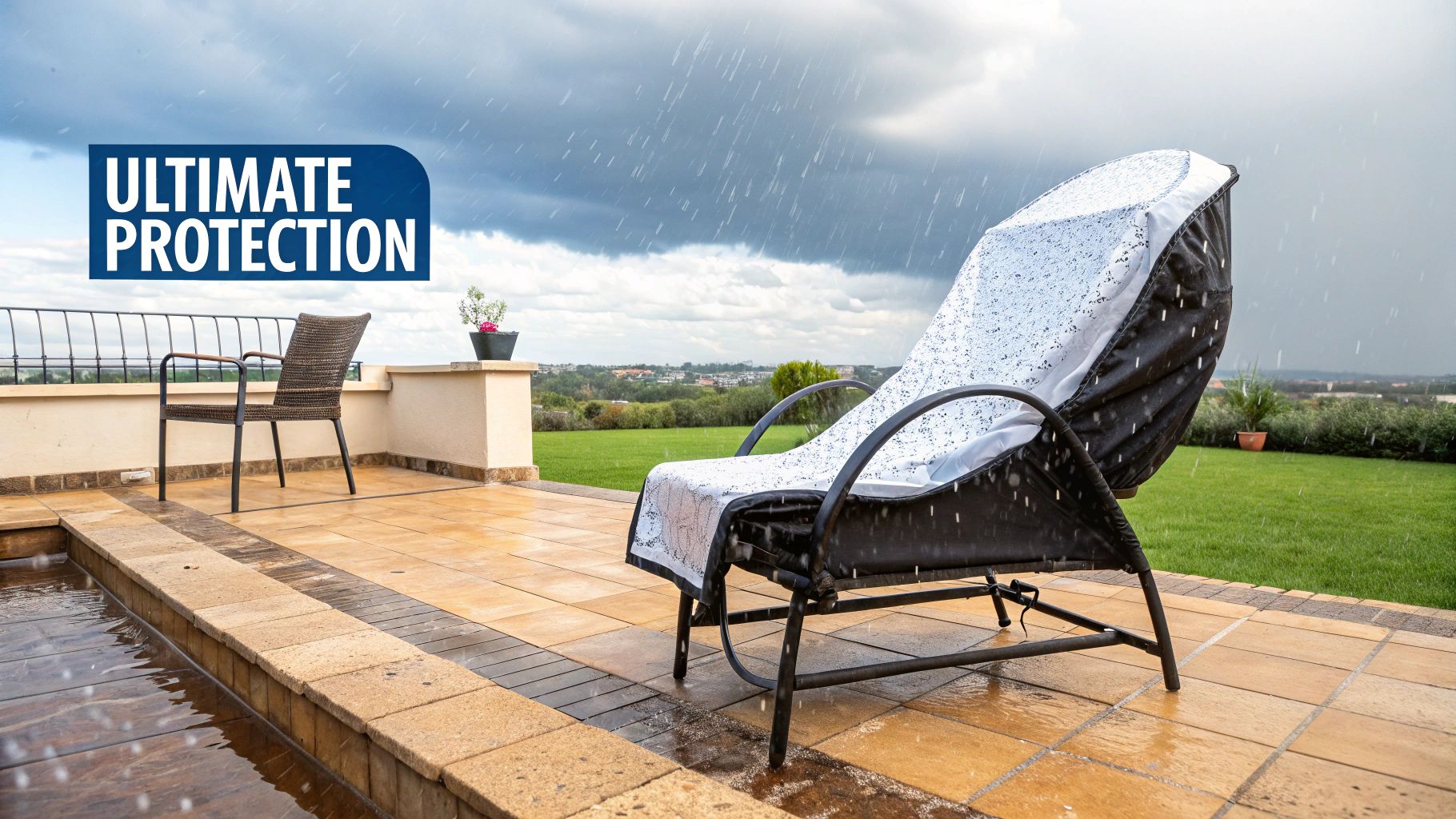
Waterproof chair covers are far more than just a quick fix for the odd spill. Think of them as a permanent security detail for your furniture, defending your investment against the realities of daily life. They’re the unsung heroes of a busy home or a bustling business, transforming vulnerable chairs into resilient, stress-free seating.
For families, this means creating a home where life just happens. A waterproof cover lets kids be kids and pets be pets, turning your dining room into a place where a knocked-over glass of juice or a muddy paw isn't a five-alarm fire. It’s about protecting your furniture, of course, but it’s really about preserving your peace of mind.
This protective mindset makes brilliant financial sense, too. For businesses like cafés, event spaces, or busy reception areas, these covers are a genuine asset. They slash cleaning costs and keep every chair looking pristine and guest-ready, which upholds your professional image and stops the premature wear that forces expensive replacements.
A Frontline Defence Against Daily Wear
Your chairs face a lot more than just the obvious liquid threats. Everyday use unleashes a constant barrage of subtle stressors that, over time, degrade fabric and weaken the chair's structure. A quality waterproof chair cover provides reliable protection from them.
Just think about the slow, steady build-up of dust, crumbs, and pet hair. Without a barrier, these tiny particles worm their way deep into the upholstery fibres, becoming a nightmare to remove and giving your furniture a dull, worn-out look. A washable cover traps all that debris on the surface, making cleanup as easy as popping it in the wash.
And don't forget the sun. The same UV rays that stream through your windows can be just as destructive as a stain, causing vibrant colours to fade and fabrics to turn brittle. A good cover provides an effective block, preserving the original look of your chairs and seriously extending their lifespan.
Preserving Hygiene and Freshness
Whether at home or in a commercial setting, maintaining cleanliness is essential. Chairs, with their absorbent fabric surfaces, can easily become havens for allergens, odours, and bacteria, especially after a spill.
By creating an impermeable barrier, waterproof chair covers stop moisture from seeping into the foam and padding underneath. This is absolutely critical, as damp upholstery is the perfect breeding ground for mould and mildew, which lead to musty smells and potential health issues.
This feature benefits:
- Homes with Pets: A reliable guard against dander, dirt, and the inevitable accidents.
- Dining Areas: Shields chairs from food and drink spills that can turn sticky and unhygienic.
- High-Traffic Venues: Ensures a fresh, clean, and welcoming experience for every single guest.
Meeting Modern Demands for Practicality
The category has matured because buyers are trying to solve a real maintenance problem, not just add a decorative layer. Brands focused on family seating, recliners, and other high-use furniture continue to position waterproof covers around leaks, everyday accidents, and easier turnover cleaning for guest spaces, as shown in LIQUAGUARD’s waterproof chair cover range. Buyers comparing price and practicality for dining setups also often look at broader cover categories, including best prices on dining chair covers in the UK.
Ultimately, a waterproof chair cover isn't just an accessory; it's a smart, practical investment in the longevity, cleanliness, and beauty of your furniture. It’s a simple solution that delivers powerful, lasting benefits for any household or business.
Smart Protection for Landlords and Rentals
Beyond the family home, these covers offer a seriously practical solution for landlords and rental property managers. Furnishing a rental property is a significant expense, and protecting that investment is paramount. Waterproof chair covers are a savvy, low-cost way to preserve the condition of furniture between tenants.
They prevent the kind of stains and wear that could otherwise lead to costly professional cleaning fees or the need for complete replacement. By fitting chairs with protective covers, landlords can maintain a higher standard of furnishing, reduce turnover costs, and ensure the property is always ready for the next viewing. This simple step safeguards assets and supports a more profitable rental business.
Choosing the Right Material for Your Chairs
Picking the right material starts with where the chair lives and what kind of mess you need to stop. For indoor dining chairs, you usually want a cover that feels soft, stays in place, and survives regular washing. In pet households, resistance to claws, hair, and repeat spot-cleaning matters more than decorative texture. In care settings or homes dealing with incontinence, full liquid-blocking performance matters more than stretch. For patios and commercial dining, weather exposure, wipe-clean maintenance, and drying speed move to the top of the list.

A practical way to choose is to match the cover to the risk:
-
Indoor spills and family meals: soft stretch fabric with a waterproof membrane or backing.
-
Pet-heavy homes: tightly woven fabric with a true barrier layer and easy removal for frequent washing.
-
Care settings: seat-first protection or full covers with dependable liquid blocking, simple fitting, and minimal seam exposure.
-
Patios and garden chairs: heavy-duty weather covers for storage and rain, not upholstered comfort.
-
Commercial dining: wipeable or fast-clean materials that can be changed quickly between service cycles.
Waterproof vs Water-Resistant: The Difference That Decides Everything
This is the detail most product pages blur. Water-resistant fabric slows penetration. Waterproof construction is designed to stop penetration. The difference may only matter for five minutes with a spilled cup of tea, but it matters a great deal if liquid sits on the chair, reaches seams, or gets pressed through by body weight.
The cleaning industry makes a similar distinction when dealing with upholstery: once moisture gets into padding, drying becomes harder and the risk of lingering odour or microbial growth rises. The IICRC upholstery care guidance is useful here because it explains why preventing saturation is better than trying to rescue soaked upholstery later. In our own testing notes, products with a soft top fabric and a reliable inner film performed best for dining and family use; products that only beaded water on the surface were fine for quick wipe-ups but not for repeat accidents.
For outdoor storage covers, breathability is just as important as water shedding. Heavy 420D Oxford designs are widely used because they block rain well, but poor airflow can trap moisture underneath. BN-LINK’s product information for its patio chair covers highlights 420D Oxford durability, while the trade-off around trapped moisture is exactly why looser fit and ventilation matter for stored furniture rather than occupied seating; see the BN-LINK patio chair cover listing.
Full Cover, Seat Protector, or a Fully Waterproof Chair?
These are not interchangeable products.
A full waterproof chair cover wraps most or all of the visible chair. It is best when you want all-over protection, want to hide worn upholstery, or need a coordinated look across a dining set. This is usually the right choice for dining chairs, accent chairs, and some office chairs.
A seat-only waterproof chair protector covers the sitting area rather than the whole frame. It is often the better answer when the back and sides of the chair are fine, when the main risk is food spills or incontinence, or when users do not want to change the look of the chair. It is also easier to remove and wash quickly. I often prefer this format for everyday kitchen seating because it protects the highest-risk area without adding excess fabric that can shift.
A fully waterproof chair is the furniture itself, usually made from plastic, resin, treated outdoor materials, or specialist healthcare surfaces. That makes more sense for patios, poolside use, schools, clinical settings, or very high-turnover environments where deep cleaning and weather exposure are constant. If you are repeatedly covering and uncovering a chair just to survive the basic environment, the better solution may be the chair, not the cover.
Material-by-Use-Case Guidance
Indoor dining and family chairs
Look for coated polyester blends, laminated knits, or stretch fabrics with a waterproof inner layer. These balance comfort and cleanup. Check whether the barrier extends across the whole seating panel and not just the top fabric. If the product only mentions splash resistance, treat it as a short-delay solution rather than total protection.
Pet households
Choose tighter weaves and avoid very loose jacquard textures that can snag. A removable washable cover is usually more practical than trying to spot-clean the original upholstery after every accident. For homes with large dogs or frequent climbing, good fit matters almost as much as the barrier layer; if the cover shifts constantly, liquid can still reach exposed fabric edges.
Care and recovery settings
Seat protectors and simpler wipe-clean fabrics often outperform decorative stretch covers here. The priority is dependable moisture control, low-friction cleaning, and less time spent refitting the cover after laundering.
Patios and outdoor stackable chairs
Use draped weather covers when the chair is not in use. For seating comfort during use, many heavy-duty outdoor covers are too stiff and non-breathable. The EPA guidance on moisture and mould is a good reminder that trapped dampness, not just direct rain, drives mildew problems. That is why vents, slight clearance, and dry storage habits matter.
Commercial dining and event spaces
Prioritise fast cleaning, easy replacement, and consistent fit across many chairs. Materials that look elegant but need delicate laundering can become expensive very quickly in heavy rotation.
Common Disqualifiers to Watch For
Before buying, check for these warning signs:
-
Seam leakage: a waterproof face fabric can still fail where panels are stitched.
-
Non-breathable backing: fine for short meals, uncomfortable for long sitting sessions.
-
Poor fit on curved backs or thick seat pads: this causes slipping, exposed corners, and early wear.
-
Coatings that degrade after hot washing: many barrier layers do best on cool or gentle cycles.
-
Overly stiff outdoor fabrics for indoor use: durable, yes; comfortable, usually no.
The thinking behind choosing the right material for chairs is very similar to picking one for other furniture. For a more detailed look, you can explore our guide on the best material for sofa covers, which dives into even more fabric options.
Finding a Style for Every Type of Chair
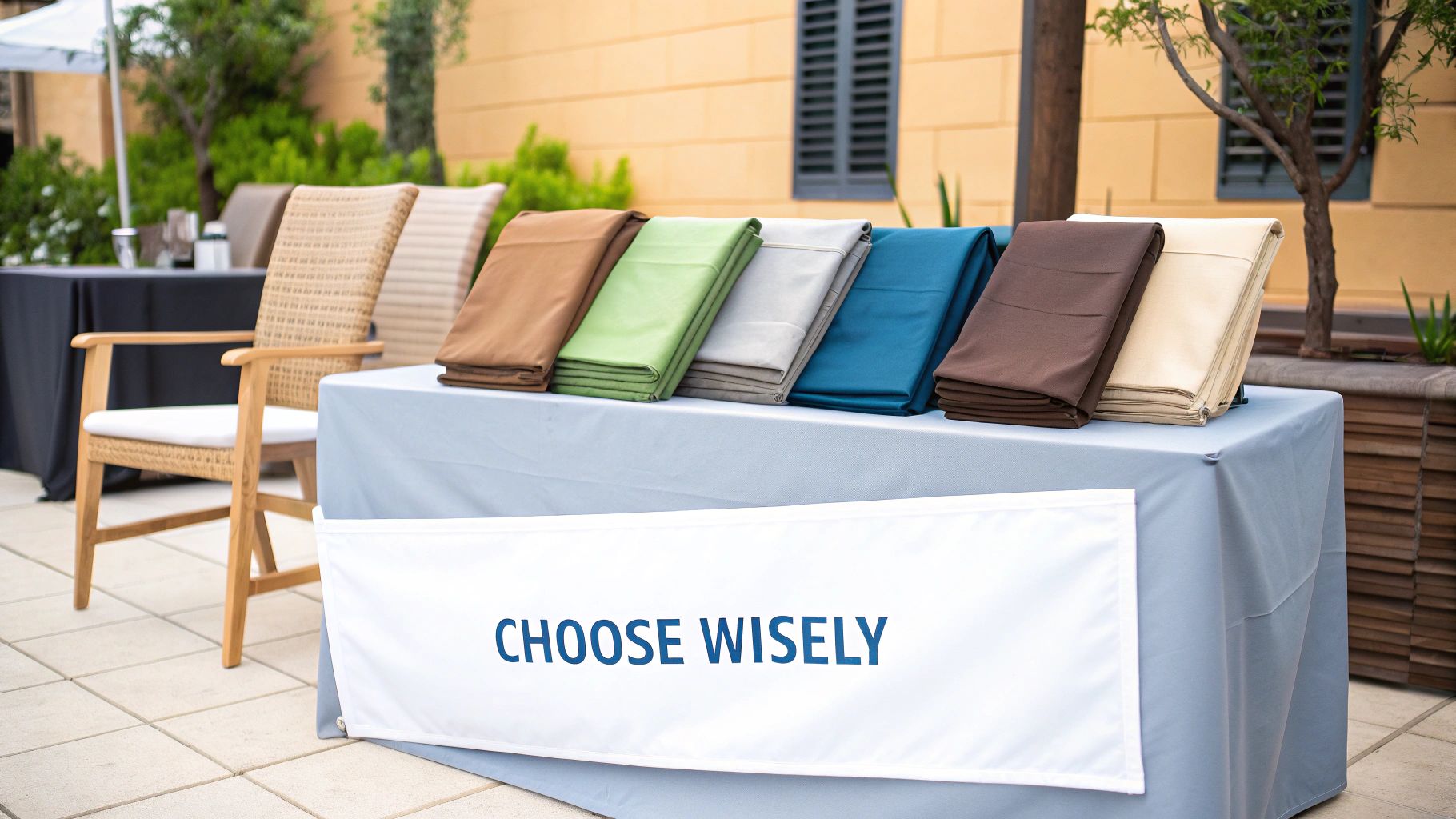
Style still matters, but with protective seating it should follow fit. The best-looking cover is usually the one designed for the exact chair type you own, because less tugging, sagging, and overhang means a cleaner finish and better protection. Instead of shopping by colour first, start by identifying the chair shape and whether you need full coverage, seat-only protection, or a weather cover for storage.
Dining chairs
For standard dining chairs, fitted stretch covers usually make the most sense. They give the room a coordinated look and protect the backrest as well as the seat, which is useful in homes with children who touch the chair with messy hands. If the only recurring problem is seat spills, a pad-style protector can be the simpler choice and is faster to remove for washing.
Office chairs
Office chairs are tricky because arms, wheels, tilt mechanisms, and mesh backs can all interfere with a full cover. In most cases, a seat protector is the better fit than a full slipcover. If the chair has upholstered arms or a fully upholstered back, then a fitted office-chair cover can work, but make sure movement and lumbar features are not blocked.
Riser and recliner chairs
These need specialised covers or sectional protectors. A generic stretch cover often pulls badly when the chair reclines, leaving seams under strain. For these chairs, separate seat, arm, and back protectors are often more practical than one-piece covers. If spills or leaks are the core concern, prioritise easy removal over decorative styling.
Accent chairs and occasional chairs
A fitted cover works well here when you want to refresh the look and protect lighter upholstery from occasional drinks or pet use. Curved backs can be difficult, though. I have found that accent chairs are where poor-fit covers show their flaws fastest, especially around the top corners and front seat edge, so always compare the chair shape with product photos and measurement ranges.
Outdoor stackable chairs
Use a draped waterproof cover when the chairs are stored outside, especially through wet weeks or colder months. A fitted stretch cover is usually the wrong product for this job. Outdoor stackables benefit more from quick-on, quick-off weather covers with tie-downs than from decorative slipcovers. If you want examples of that weather-first format, browse chair covers for outdoor seating.
What to use instead of chair covers
If you do not need full coverage, there are better alternatives than a complete chair cover. Seat pads with waterproof backing, washable chair protectors, absorbent-top incontinence pads, and temporary throw-style barriers all work when the risk is limited to the sitting surface. For outdoor use, a storage cover paired with quick-dry chair materials often makes more sense than trying to sit on a fully waterproof draped cover.
How to Measure Your Chairs for a Perfect Fit
Getting new waterproof chair covers can completely refresh a room, but the secret to a sharp, bespoke look versus a saggy, awkward mess boils down to one simple thing: a perfect fit. Taking a few minutes to measure your chairs properly is the single most important step you can take. A quick "measure twice, buy once" approach will save you the headache of returns and guarantee that sleek, custom-like finish you're after.
Think of it like buying a new suit—you wouldn’t just guess your size and hope for the best. A few centimetres here or there can make all the difference between a crisp silhouette and a sloppy one, and the same logic applies to your chairs. With a simple tape measure, you can quickly find the key dimensions you need to pick a cover that hugs every curve just right.
The Essential Measurements You Need
To get started, grab a flexible tape measure—the soft kind a tailor would use is perfect for this. For each chair you're covering, you'll need to note down four critical dimensions. Just be sure not to pull the tape measure too taut; it should lay naturally against the chair's surface.
- Back Height: Measure from the very top of the chair back, straight down to where it meets the seat cushion. This is key to making sure the cover doesn't ride up or droop too low.
- Back Width: Run the tape across the widest point of the chair's back. This measurement stops the fabric from stretching too thin or looking baggy.
- Seat Width: Measure across the widest part of the seat itself, which is usually from left to right at the very front.
- Seat Depth: Measure from the front edge of the seat straight back to the crease where the seat joins the back. Getting this measurement right helps the cover stay put and prevents it from bunching up when you sit down.
Remember, while stretch covers are quite forgiving, accuracy still counts. Even with flexible material, being more than an inch or two outside the recommended range can lead to a poor fit, causing seams to strain or excess fabric to sag.
Reading the Manufacturer's Size Chart
Once you've jotted down your numbers, it's time to check them against the manufacturer's size chart. Every brand cuts their covers a little differently, so never assume a 'standard' size will fit your chairs. You'll usually find the sizing guide on the product page, which will give you a range for each measurement (for example, Back Height: 45-60cm).
Your chair's dimensions should fall comfortably within these ranges. If you find your chair is right on the borderline between two sizes, the golden rule is to size up. A slightly larger cover can always be tucked in for a neat finish, but one that’s too small will pull at the seams and might not even go on. For more detailed instructions, our chair cover size guide has visual aids and extra tips for all sorts of chair styles.
Finally, take a moment to consider the style of your chair. Does it have arms? A curved or high back? Many retailers offer covers designed specifically for different types, like armchairs or wingbacks, so make sure you're browsing the right category. By following these simple steps, you'll be well on your way to finding waterproof covers that look like they were made just for your chairs.
Getting it Right: Installation and Long-Term Care
You’ve found the perfect waterproof chair covers. Now what? Getting them fitted correctly and looking after them properly is what turns a good purchase into a great one, ensuring they give you years of service. A snug fit doesn't just look smarter; it works better. And a simple care routine will keep the fabric in top condition.
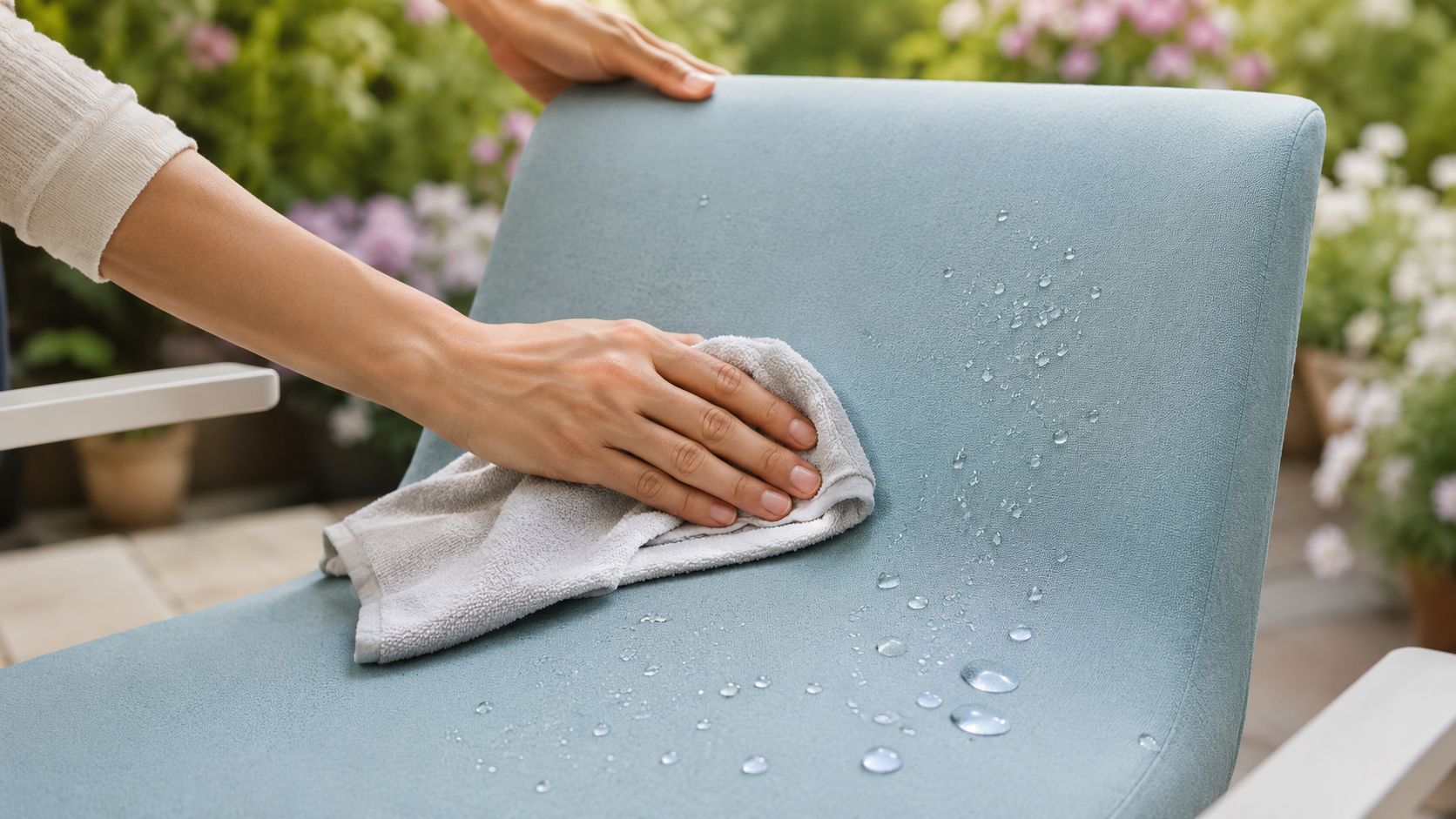
Think of it like breaking in a new pair of boots – a little bit of effort at the start makes all the difference for long-term comfort and performance. Whether you're dealing with a sleek, stretch-fit cover for an indoor dining chair or a rugged, heavy-duty one for your garden furniture, a smooth, wrinkle-free finish is easier to achieve than you might think.
A Flawless Fit: Step-by-Step
The secret to a professional look is taking your time. Don't just chuck the cover over the top; gently guide it into position to avoid any unnecessary pulling, snagging, or stretching.
For Stretch-Fit Indoor Covers:
- Start at the Top: Drape the cover over the chair's back, lining up the main seam with the top edge.
- Smooth it Down: Gently pull the cover down over the backrest, using your hands to smooth out any wrinkles as you go.
- Seat it Properly: Stretch the rest of the cover over the seat, tucking any slack material into the gap where the seat and back meet. This creates that really snug, custom-fitted look.
- Final Touches: Make sure the elasticated hem is neatly tucked under the seat. It’s what holds everything securely in place.
For Outdoor Covers with Straps and Ties:
- Centre and Drape: Place the cover over the chair, checking that it hangs evenly on all sides.
- Strap it Down: If it has buckle straps, clip them around the chair legs. This is absolutely essential to prevent your cover from taking flight on a windy day.
- Cinch the Hem: Pull the drawstring tight at the bottom. This snugs the cover around the base of the chair, stopping wind, rain, and debris from getting underneath.
Keeping Your Covers in Top Nick
A bit of care goes a long way in keeping your waterproof covers performing and looking their best. Always have a quick look at the manufacturer's care label first, but these general tips will see you right.
For most machine-washable fabrics, a gentle, cool cycle with a mild detergent is the way to go. Steer clear of bleach and fabric softeners, as these chemicals can break down the waterproof coating over time. Always let your covers air dry – high heat from a tumble dryer can seriously damage the protective layer.
With wipe-clean vinyl or PVC covers, it's even easier. A quick wipe with a damp cloth and a touch of mild soap is usually all it takes to shift any dirt or grime. It’s this fuss-free maintenance that makes them so popular.
When it's time to store your covers, especially the outdoor ones, make sure they are completely clean and dry before you fold them away. Packing a damp cover is just asking for mould and mildew. Fold them up neatly and store them somewhere dry and well-ventilated, so they're ready for action next season.
This is standard practice in places like hotels and event venues, which rely on heavy-duty covers to protect stacks of patio furniture from the elements. It helps them maintain a high standard of cleanliness and appearance.
Troubleshooting Common Issues
Even with the most careful installation, you might run into a minor issue. Here are some quick fixes for the usual suspects:
| Common Issue | Quick Solution |
|---|---|
| Slight Bunching | Re-tuck the fabric, pushing the foam inserts deeper into the chair's crevices to create more tension. |
| Cover Slipping | Check that the elastic hem is pulled taut and securely tucked under all sides of the chair base. |
| Wrinkles After Washing | If you spot any wrinkles after drying, you can usually smooth them out by hand once the cover is back on the chair. |
By following these simple installation and maintenance tips, your waterproof chair covers will stay a practical and stylish solution for your home. For more detailed advice, you can learn how to wash sofa covers without shrinking in our comprehensive guide, as many of the same principles apply. Proper care really is the key to getting the most out of your investment.
Frequently Asked Questions
Who makes the best waterproof seat covers?
There is no single best maker for every situation. For dining chairs and family homes, the strongest options usually come from brands that combine a soft stretch fabric with a real waterproof inner layer rather than relying on surface repellency alone. The better brands also publish clear size ranges, washing instructions, and whether the seat and back are both protected. In our review process, transparent material details mattered more than brand name alone.
What are the best outdoor chair covers?
The best outdoor covers are the ones designed for storage and weather exposure, not indoor comfort. Look for durable fabric, tie-down straps, a slightly looser drape, and some allowance for airflow so moisture does not stay trapped underneath. A fully sealed heavy fabric sounds ideal, but if it cannot breathe at all, mildew becomes a bigger risk over time.
What is the best waterproof cover for a chair in a pet- or spill-heavy home?
A fitted full cover with a dependable barrier layer is usually best when the whole chair is at risk from paws, drinks, and repeat messes. If the damage is mostly on the sitting surface, a washable seat protector is often easier and cheaper to maintain. For households with frequent accidents, pick easy removal and cool-wash care over decorative detailing.
What should I use instead of chair covers?
If you only need seat protection, use a waterproof seat pad, chair protector, or absorbent barrier with a waterproof backing. For outdoor furniture, a weather cover used when the chair is not in service is often more practical than sitting on a fully covered chair. If the environment is consistently wet or high-turnover, switching to a chair made from waterproof materials may be smarter than covering upholstery repeatedly.
Are waterproof chair covers comfortable for long sitting sessions?
Some are, some are not. Soft indoor covers with a textile top layer are usually comfortable enough for meals and normal daily use. Solid vinyl, PVC, and some heavily coated backings can feel warm or sticky over longer sessions, especially in summer. If comfort matters, choose a breathable top fabric with the waterproof layer underneath rather than a slick plastic-feel surface.
Do waterproof covers stay waterproof after washing?
Not indefinitely. Many remain effective through repeated gentle washing, but hot water, bleach, fabric softener, and tumble drying can damage coatings or laminated backings. I always treat the care label as part of the product quality, because a cover that only survives a few washes is far less useful in a real family home.
Ready to give your chairs stylish, practical protection? The Sofa Cover Crafter offers a huge range of beautiful, durable, and family-friendly waterproof chair covers. Explore our collection and find the perfect fit for your home.
| Material Type | Best For | Waterproof Level | Feel & Appearance | Care Instructions |
|---|---|---|---|---|
| Coated Polyester | Indoor dining chairs, living room chairs, homes with kids & pets | High water-resistance | Soft, fabric-like feel. Wide variety of colours and patterns. | Usually machine-washable on a gentle cycle. Air dry. |
| Vinyl / PVC | Outdoor patio furniture, garden chairs, commercial use | 100% waterproof | Stiffer, smooth plastic feel. More functional than decorative. | Simply wipe clean with a damp cloth and mild soap. |
| Neoprene | High-end outdoor covers, marine seating, specialist applications | Excellent waterproofing | Flexible, rubbery, and durable. Often has a sporty look. | Can be hand-washed or wiped down. Very resilient. |
Are Waterproof Covers Really 100% Waterproof?
This is probably the most common question we get, and the answer comes down to understanding the difference between waterproof and water-repellent. High-quality chair covers are designed to be highly water-repellent, often featuring an internal waterproof membrane. Think of them less like a submarine and more like a high-performance raincoat.
They're engineered to block typical household spills—a tipped glass of wine, a splash of soup, or a leaky sippy cup. The surface causes liquid to bead up, giving you that crucial window to wipe it away before it has a chance to soak through to the upholstery beneath. They offer fantastic protection for everyday life, but they aren't designed to be completely submerged in water. For the best results, always wipe up spills promptly.
It's a common industry myth that any fabric cover can be truly "100% waterproof" without sacrificing breathability. A non-breathable plastic-like material would trap condensation, potentially leading to mildew. The best covers balance powerful water resistance with enough airflow to keep your furniture fresh.
How Do I Stop the Cover from Slipping or Bunching?
A secure, tidy fit is essential, which is why our waterproof chair covers include several smart design features to keep them firmly in place. Nothing is more frustrating than a cover that constantly needs readjusting.
- The Elasticated Hem: The strong elastic sewn into the bottom hem is your first line of defence. It grips the base of the chair, creating stability and preventing the edges from riding up.
- Foam Inserts: These included foam inserts are your most powerful tool for a locked-in fit. By pushing these non-slip cylinders firmly into the crevices between the cushions and the chair frame, you create tension that anchors the fabric.
- Strategic Tucking: This final step locks everything down, preventing the cover from shifting, bunching, or coming untucked during normal, everyday use.
This combination of features ensures your chairs look neat and polished at all times, without constant fussing and fixing.
